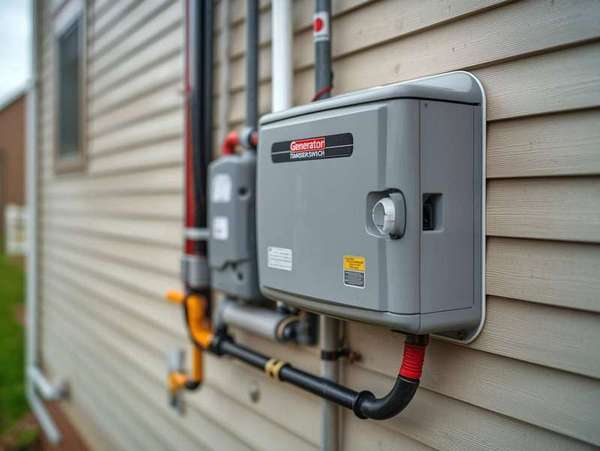
Why a Transfer Switch Beats Extension Cords
A portable generator running on the patio is only half the solution. Without a proper hookup, the only way to use its power is to run extension cords through windows and doors — inconvenient, and a fire risk. Worse, some homeowners try to "backfeed" through a dryer outlet, which energizes the utility lines outside and can kill a lineman. It can also be illegal.
A manual transfer switch (or a generator-ready inlet wired to your panel with an interlock kit) is the right way to do it: you roll the generator outside, plug in one heavy-duty cord, flip the transfer switch, and your chosen circuits — refrigerator, lights, fans, phone chargers, the internet router — run off generator power through your home's own wiring. When utility power returns, you flip it back.
Safe for line crews
The switch physically disconnects your home from the grid while the generator runs. No backfeed, no danger to utility workers.
No cords through the house
Power flows through your existing wiring to real outlets and switches, exactly like normal — just on fewer circuits.
Fast in a blackout
Hookup takes a few minutes once the equipment is in place. No fumbling in the dark during a hurricane outage.
The Affordable Hurricane-Season Option
A portable generator paired with a professionally installed transfer switch is the most budget-friendly way to keep the essentials running when FPL goes down. Portable units cost far less than permanent standby systems, and the electrical work — an inlet box outside, a transfer switch beside your panel, and the wiring between them — is typically a one-day job.
For many Port St. Lucie homeowners, this setup is all they need: a 7,500–9,500-watt portable will run a refrigerator, several lights and fans, a TV, device chargers, and sometimes a window A/C — enough to stay comfortable and keep food safe through a multi-day outage. We'll help you pick the circuits that matter most and size the transfer switch so your generator's capacity is used wisely.
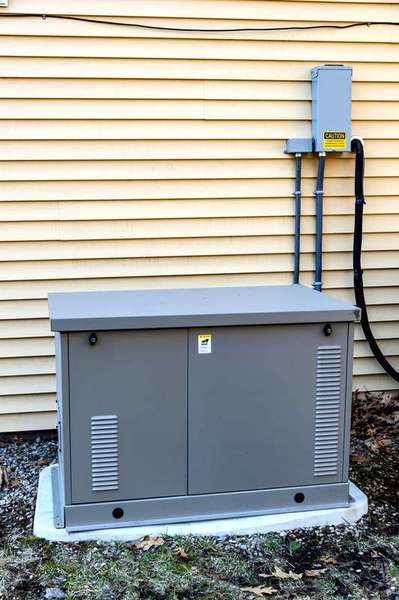
How the Installation Works
Circuit selection
We walk through your panel with you and choose the essential circuits: fridge, lighting, fans, communications. We note your generator's wattage so the plan matches the machine.
Outdoor inlet box
A weatherproof power inlet is mounted on the outside of your home in a safe, code-compliant location — far from windows and doors, since portable generators must always run outdoors, away from the house.
Transfer switch wiring
The manual transfer switch is installed next to your panel and wired to the selected circuits. Everything is labeled clearly so anyone in the household can operate it.
Testing & walkthrough
We test the full setup under load, verify voltages, and walk you through the plug-in-and-flip sequence — so when the storm hits, you're ready in minutes.
Frequently Asked Questions
What size portable generator do I need?
It depends on what you want to run. Essentials like a fridge, lights, and fans typically need 5,000–7,500 running watts; adding a window A/C pushes that higher. Bring your generator's specs (or your shortlist) to the estimate and we'll match the circuit plan to it.
Can the transfer switch power my central air conditioner?
Usually not with a portable unit — central A/C needs a large starting surge that most portables can't deliver. We design the switch for essentials plus high-priority comfort items; whole-house coverage is a job for a standby system.
Is backfeeding through a dryer outlet really that dangerous?
Yes. It energizes the wires outside your home and can seriously injure or kill utility lineworkers, damage your generator and electronics, and create a fire hazard. A transfer switch or listed interlock kit is the only safe, code-compliant way to connect a generator to your panel.
Where should I run my portable generator?
Always outdoors, at least 20 feet from the house, with exhaust pointed away from windows, doors, and vents. Never run one in a garage, carport, or under an open window — carbon monoxide is colorless and odorless.
How long can I run a portable generator?
Most gas portables run 8–12 hours per tank at half load. During a long outage, plan on refueling every few hours, checking the oil daily, and giving the unit cool-down breaks. We cover all of this during the walkthrough.
Do I need a permit for a transfer switch installation?
In most Treasure Coast jurisdictions, yes — the electrical work is permitted and inspected. We handle the permit paperwork as part of the job.
Can you install a switch if I already bought the generator?
Absolutely. That's the most common scenario. Just tell us the generator's running and starting wattage so we size the inlet, cord, and switch correctly.
What if I want automatic power later?
A portable setup is a great first step. If you later decide you want a system that starts itself, the site planning you've done now transfers — and we install permanent automatic standby units too.
Areas We Serve
Portable generator transfer switch installations across the Treasure Coast:
- Port St. Lucie
- Fort Pierce
- Stuart
- Jensen Beach
- Palm City
Who You're Calling
- Service provider
- Florida Electrical and Fire Alarm LLC
- Phone
- (561) 552-3753
- License
- Florida Electrical License #ER13016161
- Hours
- Monday–Saturday 8 a.m.–5 p.m.; 24/7 emergency service
A service-area business — no storefront; we come to you anywhere in Port St. Lucie, Fort Pierce, Stuart, Jensen Beach, and Palm City.
Outage Problems a Generator Hookup Actually Solves
Owning a portable generator is only half the battle. When the power goes out during hurricane season, most homeowners discover the same frustrations — these are the ones a proper inlet and transfer switch installation eliminates:
- Extension cords snaking through cracked-open doors and windows to reach the refrigerator, letting in rain, heat, and bugs
- Essential circuits — a well pump, medical equipment, lights, the garage door — that no extension cord can safely reach
- The danger of backfeeding power onto utility lines through an improvised connection, which can seriously injure line workers and damage your home
- A generator that sits unused outage after outage because connecting it feels complicated, dark, and unsafe
- Fuel and fumes guesswork: a generator running in the wrong spot because the cord setup dictates where it has to go
Florida Electrical and Fire Alarm LLC installs a generator inlet box and a manual transfer switch or interlock at your panel, so during an outage you plug in once, flip the switch, and choose which circuits to power from indoors. Call (561) 552-3753 for a free estimate.
Learn More
Compare portable hookups and permanent standby optionson our generator installation page.
Request an Estimate
Tell us about your generator plans and we'll call back with next steps.